The Invisible Boy
A memoir waiting to be published
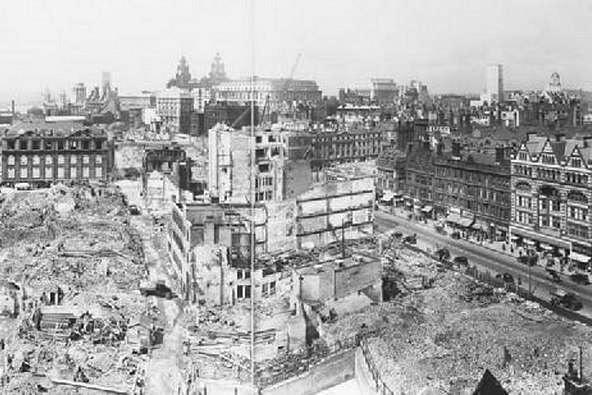
Born penniless and homeless in 1942, I spent my life defying the rigid boundaries of a fractured working-class background. I fought my way from the streets into university, eventually carving out a high-profile public relations and journalism career. From representing iconic British giants like Meccano to reporting on the front lines of monumental cultural shifts—including the Toxteth riots and the Hillsborough disaster—my life became intertwined with the modern social history of Liverpool.
But decades later, the ghosts of my past caught up with me. A devastating divorce stripped away my hard-won security, plunging me right back into the exact homelessness of my youth.
THE INVISIBLE BOY (66,000 words) is a story of resilience, class mobility, and ultimate survival. Utilizing a dual-timeline structure, it explores how our formative years echo through adulthood, culminating in a powerful journey of personal reinvention as I turned to the canvas and spent six years studying fine art at university.
“A sweeping narrative of twentieth-century British social history and a deeply personal account of survival, perfect for readers of Helen Forrester’s Twopence to Cross the Mersey and Raynor Winn’s The Salt Path
About the Book
Born penniless and homeless in 1942, I spent my life defying the rigid boundaries of a fractured working-class background. I fought my way from the streets into university, eventually carving out a high-profile public relations and journalism career. From representing iconic British giants like Meccano to reporting on the front lines of monumental cultural shifts—including the Toxteth riots and the Hillsborough disaster—my life became intertwined with the modern social history of Liverpool.
But decades later, the ghosts of my past caught up with me. A devastating divorce stripped away my hard-won security, plunging me right back into the exact homelessness of my youth.
THE INVISIBLE BOY (66,000 words) is a story of resilience, class mobility, and ultimate survival. Utilizing a dual-timeline structure, it explores how our formative years echo through adulthood, culminating in a powerful journey of personal reinvention as I turned to the canvas and spent six years studying fine art at university.
“A sweeping narrative of twentieth-century British social history and a deeply personal account of survival, perfect for readers of Helen Forrester’s Twopence to Cross the Mersey and Raynor Winn’s The Salt Path
Born penniless and homeless in 1942, I spent my life defying the rigid boundaries of a fractured working-class background. I fought my way from the streets into university, eventually carving out a high-profile public relations and journalism career. From representing iconic British giants like Meccano to reporting on the front lines of monumental cultural shifts—including the Toxteth riots and the Hillsborough disaster—my life became intertwined with the modern social history of Liverpool.
But decades later, the ghosts of my past caught up with me. A devastating divorce stripped away my hard-won security, plunging me right back into the exact homelessness of my youth.
THE INVISIBLE BOY (66,000 words) is a story of resilience, class mobility, and ultimate survival. Utilizing a dual-timeline structure, it explores how our formative years echo through adulthood, culminating in a powerful journey of personal reinvention as I turned to the canvas and spent six years studying fine art at university.
“A sweeping narrative of twentieth-century British social history and a deeply personal account of survival, perfect for readers of Helen Forrester’s Twopence to Cross the Mersey and Raynor Winn’s The Salt Path

